
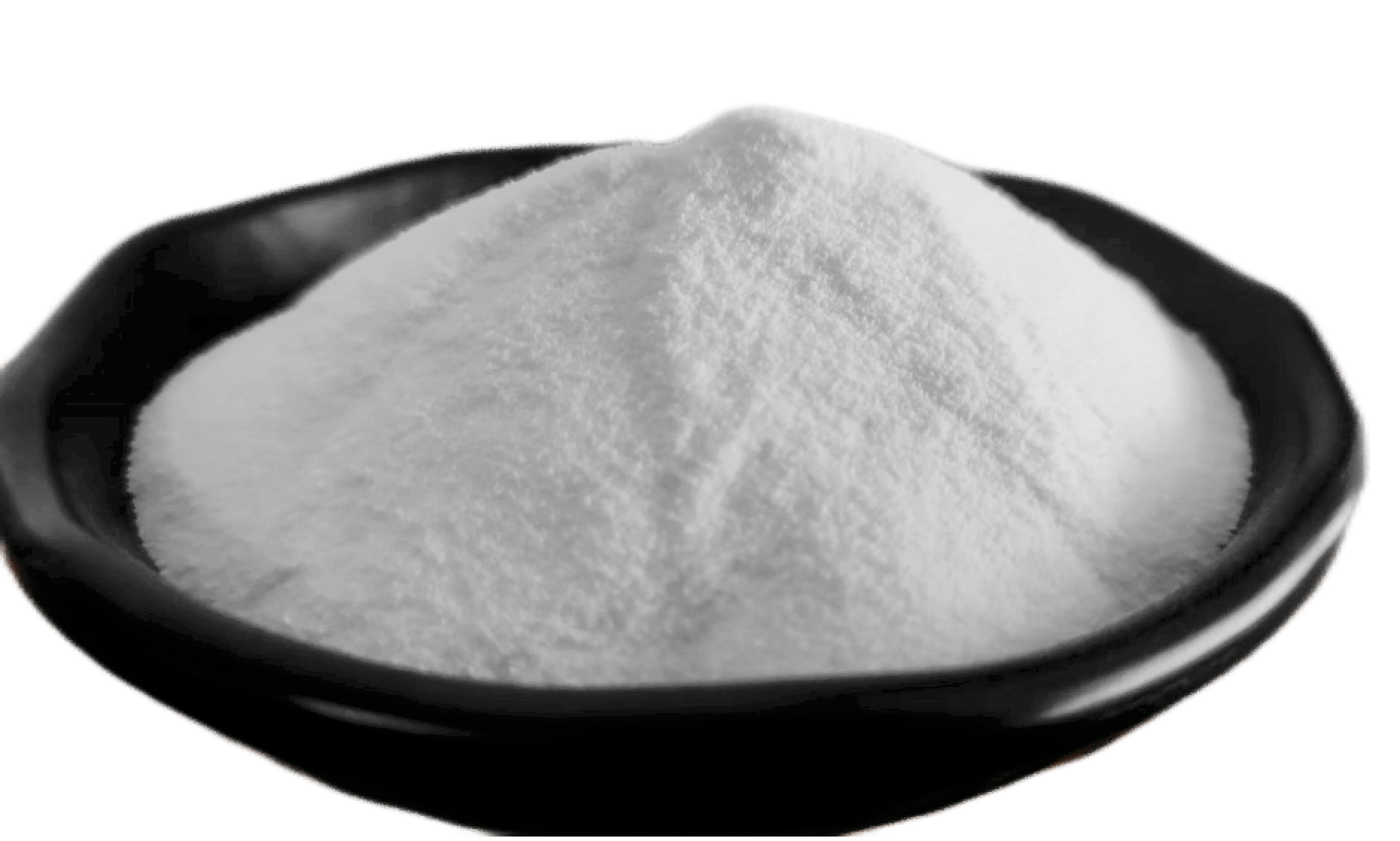
Description
Why Functional Protein Matters
Functional protein does more than increase protein content. It helps manufacturers manage water, fat, texture, and structure during meat processing.
During mixing and heating, protein interacts with water and fat. As a result, the right protein system can support better moisture retention, cooking yield, and product consistency.
Improving Texture and Binding
Texture plays a key role in sausages, meatballs, burgers, nuggets, and restructured meat. Functional protein can support cohesion and help create a stable internal structure.
Meanwhile, protein functionality may improve fat dispersion and reduce unwanted separation during thermal processing. The final effect depends on protein type, hydration, salt, pH, temperature, and mixing conditions.
Choosing the Right Protein
Soy protein, pea protein, whey protein, and collagen-derived proteins offer different functional characteristics. Therefore, manufacturers should select ingredients according to the specific formulation goal.
Useful evaluation points include water retention, cooking loss, fat stability, firmness, cohesiveness, and processing performance.
Ultimately, the best functional protein is not simply the one with the highest protein content. It is the ingredient that delivers reliable performance under the required production conditions.


Reviews
There are no reviews yet.