
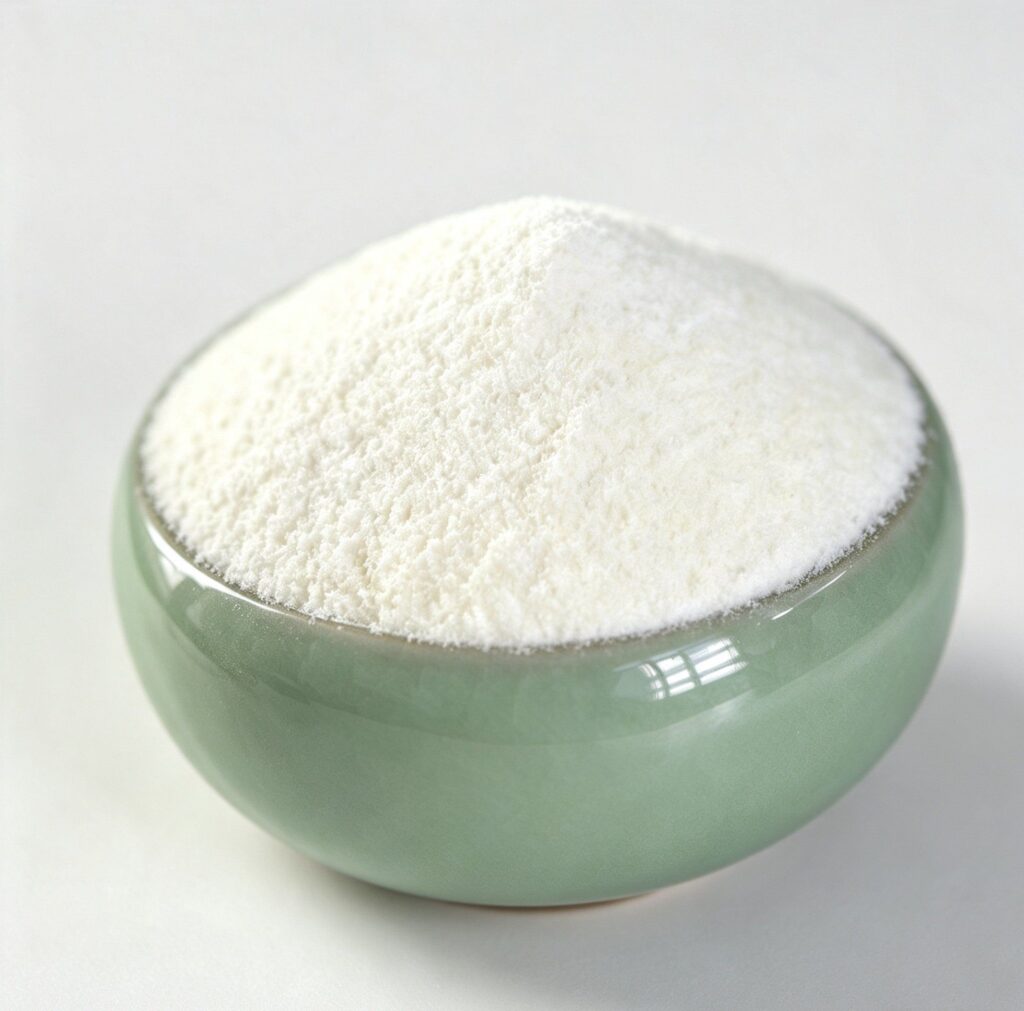
The Main Types of Food Protein
Food protein falls into three broad families. Animal protein includes dairy, egg, and collagen-based ingredients. Plant protein covers soy, pea, wheat, and rice. Microbial protein comes from fermentation and algae.
Each family brings different functionality. Animal proteins offer strong gelling and texture. Plant proteins suit clean-label and allergen-friendly claims. Fermentation proteins supply precision amino acid profiles for specific formulas.
| Family | Common sources | Best for |
|---|---|---|
| Animal | Dairy, egg, collagen, gelatin | Gelling, texture, capsule shells |
| Plant | Soy, pea, wheat, rice | Beverages, bars, meat analogs |
| Microbial | Yeast, algae, precision fermentation | Targeted amino acid profiles |
Where the Market Is Heading
The alternative protein market reached about $12.8 billion in 2026 and keeps climbing fast. Forecasts point to $23 billion by 2034, a compound growth near 8%. Plant-based protein alone should hit $22.5 billion this year.
Functional beverages and protein bars now lead application growth. Launches such as protein-fortified drinks and dairy alternatives appear monthly. Flexitarian consumers, who eat less meat without quitting it, widen the buyer base beyond vegans.
Sustainability drives the shift as much as health. Plant protein production emits up to 90% less greenhouse gas than conventional beef. That footprint advantage keeps food brands investing in new formats.
Where You Find Food Protein
- Beverages — ready-to-drink protein shakes and fortified juices.
- Snacks and bars — high-protein energy bars and baked goods.
- Meat and dairy analogs — plant-based burgers, milk, and yogurt.
- Supplements — powders, capsules, and collagen peptides.
- Confectionery — gummies and jellies built on gelatin functionality.
Gelatin and collagen peptides still anchor the supplement and confectionery segments. Buyers of those ingredients value traceable sourcing and consistent specifications, which remain the core of a reliable supply deal.
Sourcing Basics for Buyers
Check the protein content and amino acid profile first. Certificates of analysis should confirm purity, moisture, and heavy metals. Ask about allergen status, halal or kosher certification, and species traceability where relevant.
Consistency matters more than the lowest price. A supplier with stable batch quality saves reformulation costs downstream. Test samples before committing, and audit production records when the volume justifies it.