
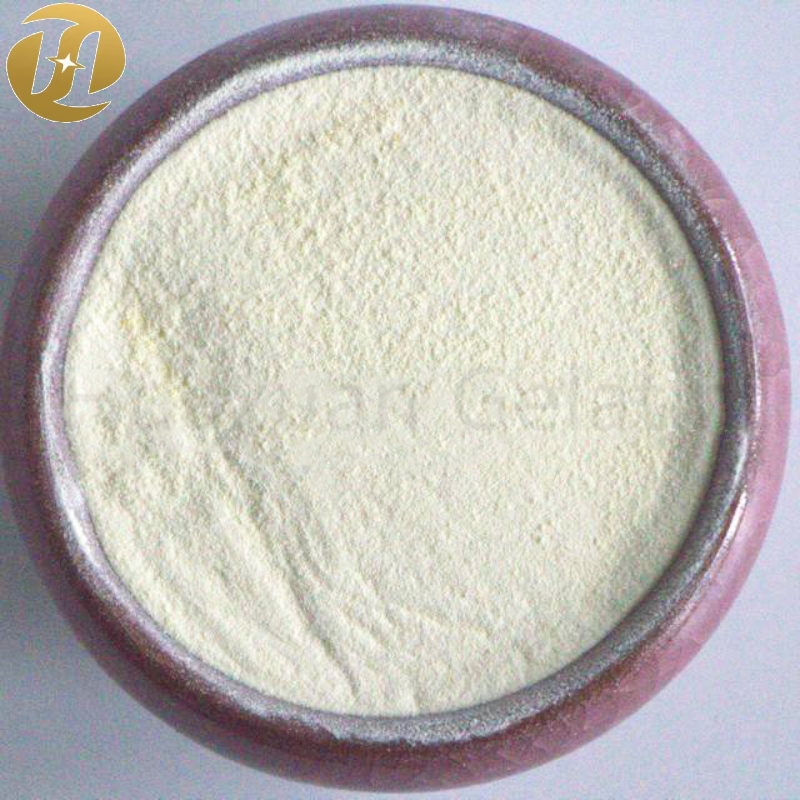
Peptone in culture media does one essential job: it feeds microbes. Bacteria, yeasts, and fungi draw their nitrogen, amino acids, and growth factors from it, which lets them multiply quickly in labs and fermenters alike.
Every culture recipe leans on this ingredient. Nutrient broth, tryptic soy broth, and LB media all list peptone as their nitrogen backbone. Choose the right grade and growth becomes predictable; pick poorly and results drift batch to batch.
Where Peptone Works in Culture Media
Peptone serves five distinct roles across microbiology and biotech, and each role demands the same reliable supply of organic nitrogen.
- Laboratory media rely on it as the nitrogen backbone of nutrient broth, agar, and tryptic soy broth, supporting fastidious and non-fastidious organisms alike.
- Industrial fermentation consumes it for antibiotics, enzymes, vitamins, and organic acids, where consistent cell growth protects yield.
- Vaccine production uses it for a rich free-amino-acid supply that keeps fermentation broths productive.
- Cell culture labs add it to serum-free and complex media to support protein and antibody production.
- Enzyme assays depend on it as a standardized substrate for calibrating proteolytic activity.
These roles share one theme: microorganisms need ready nitrogen, and peptone provides it in a form they can absorb immediately. That availability explains why the ingredient appears in nearly every complex medium.
Peptone in Culture Media: Common Types and Their Fit
Five peptone families cover most applications, and each brings a different source and strength. Matching the family to the organism simplifies the whole formulation.
| Type | Source | Best fit |
|---|---|---|
| Tryptone (pancreatic digest of casein) | Bovine milk | All-purpose bacteriological media, E. coli work |
| Meat peptone | Animal tissue | Nutrient broth, general-purpose media |
| Soytone (vegetable peptone) | Soybean | TSB; halal/kosher, animal-free formulations |
| Casein hydrolysate (acid) | Bovine milk | Defined media, high free-amino-acid content |
| Gelatin peptone | Collagen | Enrichment broths, specific formulations |
Source drives the choice. Tryptone suits general bacteriology, while soytone answers halal and animal-free briefs. Gelatin peptone, made from collagen, fits specialized enrichment broths where other digests fall short.
Key Specifications to Check
Before ordering, verify six numbers on the certificate of analysis. These values predict how the peptone will perform in your medium.
- Total nitrogen — typically ≥11–13% by Dumas analysis; higher values support more biomass.
- Amino nitrogen — ≥2–3%; a higher share means more free amino acids available immediately.
- Solubility and clarity — a 1% solution should stay clear to slightly opalescent.
- pH stability — usually 6.5–7.5 for a 2% solution; out-of-range values force recipe edits.
- Microbial and heavy-metal limits — low bioburden and heavy metals (e.g., ≤20 ppm) protect sensitive cultures.
- Batch-to-batch consistency — reproducible fermentation depends on it; request lot-specific certificates.
That consistency point deserves emphasis. A supplier who documents total nitrogen and amino nitrogen per lot removes guesswork from scaling up and keeps regulatory audits clean.
Choosing the Right Grade
Grade selection follows the end use. Laboratory and biotech work demands high purity and tight lot consistency, while food-grade peptone suits fermented foods and enzyme production for human consumption. Pharmacopeia-grade material covers vaccine and injectable routes.
Source matters for the label as well. Animal, dairy, and vegetable origins differ in allergen status and halal or kosher compliance, so confirm the origin before committing to a formulation.
Bottom Line
Peptone in culture media rewards careful selection. Match nitrogen values to your organism, check purity per lot, and work with a supplier who documents both. Those three habits turn a simple powder into a dependable fermentation tool.
Written by Xiamen Huaxuan Gelatin Co., Ltd.
Further Reading