
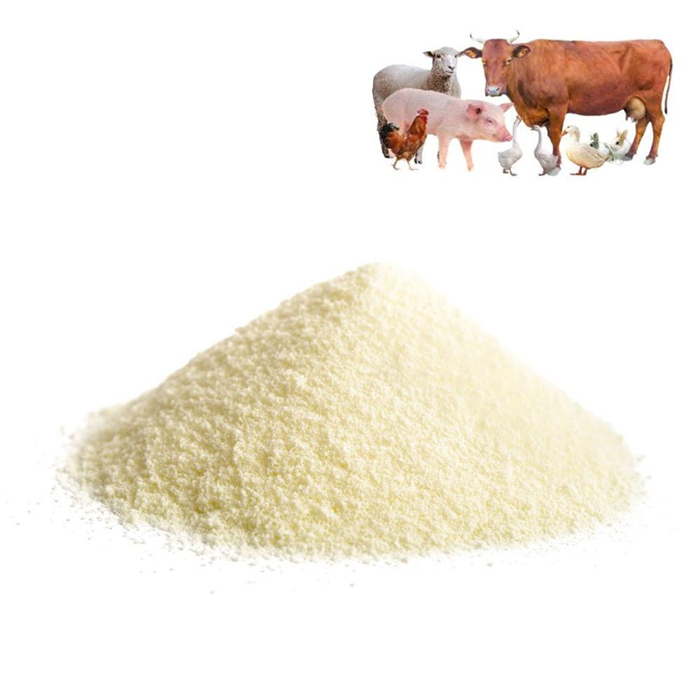
What Is Peptone?
Peptone is a high-quality organic nitrogen source produced through controlled protein hydrolysis. It supplies amino acids, peptides, vitamins, and growth factors that support rapid microbial growth and stable fermentation performance. Therefore, many manufacturers choose peptone when they need consistent culture media and efficient industrial production.
Whether you produce feed additives, pharmaceuticals, enzymes, or microbial products, selecting the right peptone can improve fermentation efficiency while helping maintain reliable product quality.
Why Peptone Plays an Important Role in Fermentation
Microorganisms require balanced nutrients throughout every growth stage. Peptone provides readily available nitrogen together with essential peptides that microorganisms can absorb quickly. As a result, cultures often grow faster and maintain stronger metabolic activity.
In addition, high-quality peptone offers excellent water solubility and stable composition. These characteristics help reduce production fluctuations while supporting consistent fermentation batches.
Key Benefits
- Rich source of amino acids and peptides
- Excellent nitrogen utilization
- High water solubility
- Stable batch-to-batch quality
- Suitable for multiple microbial strains
- Supports efficient biomass production
- Compatible with various fermentation systems
- Easy to dissolve during media preparation
Peptone for Animal Feed Fermentation
Animal feed manufacturers use peptone to cultivate beneficial microorganisms that improve feed quality. These microorganisms convert raw materials into products with higher nutritional value and better digestibility. Consequently, producers achieve more stable fermentation while increasing production efficiency.
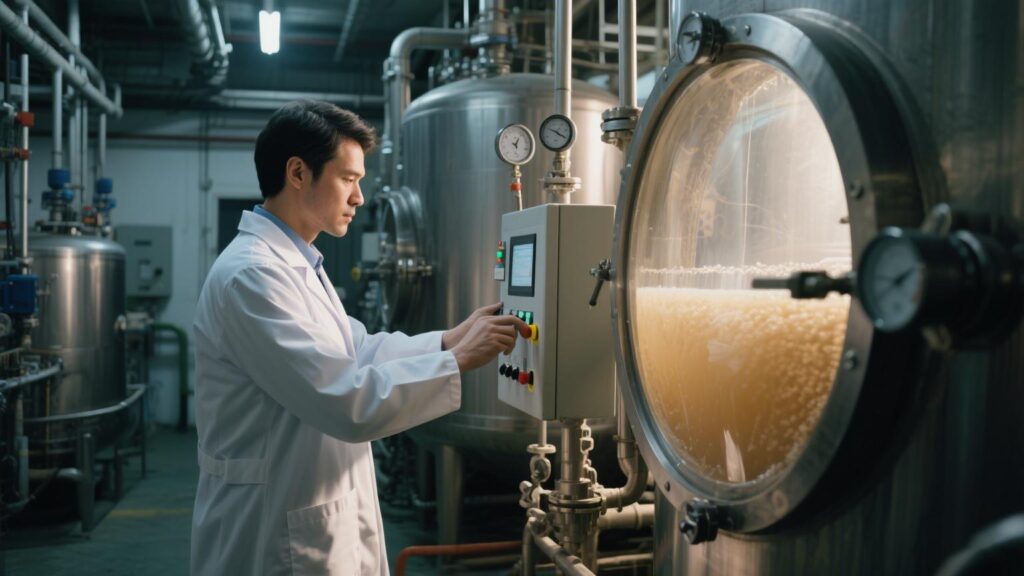
Furthermore, peptone supports the growth of probiotics, yeast, and functional bacteria commonly used in livestock and aquaculture feed. Stable nutrient availability also helps maintain healthy microbial populations throughout the fermentation cycle.
Peptone in Pharmaceutical Fermentation
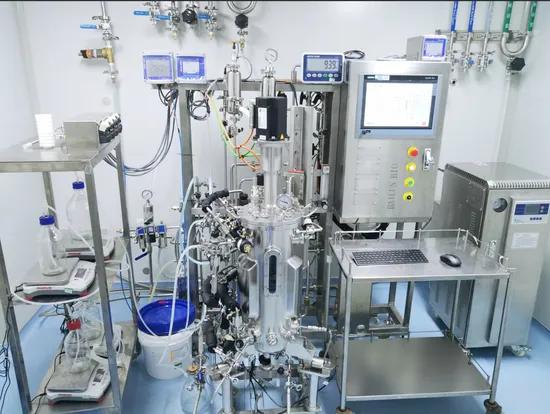
Pharmaceutical fermentation demands reliable raw materials with consistent performance. Peptone provides microorganisms with balanced nutrition during antibiotic, vitamin, and biological product manufacturing. Consequently, production teams achieve dependable culture performance across multiple batches.
Besides supporting microbial growth, premium peptone helps optimize fermentation conditions and improve process stability. Manufacturers also appreciate its consistent composition when developing standardized production procedures.
Common Pharmaceutical Uses
- Antibiotic fermentation
- Vaccine production
- Vitamin manufacturing
- Biological product development
- Research and process optimization
Peptone for Microbial Culture Media
Laboratories around the world rely on peptone to prepare nutrient-rich culture media. It supplies microorganisms with essential nitrogen compounds that encourage healthy colony development and reproducible experimental results.

Moreover, peptone works well with many bacterial and fungal species. Researchers can formulate customized media for routine microbiology, quality control, environmental testing, and scientific research.
Suitable Culture Applications
- Bacterial culture
- Fungal cultivation
- Quality control laboratories
- Academic research
- Industrial microbiology
Peptone in Enzyme Fermentation
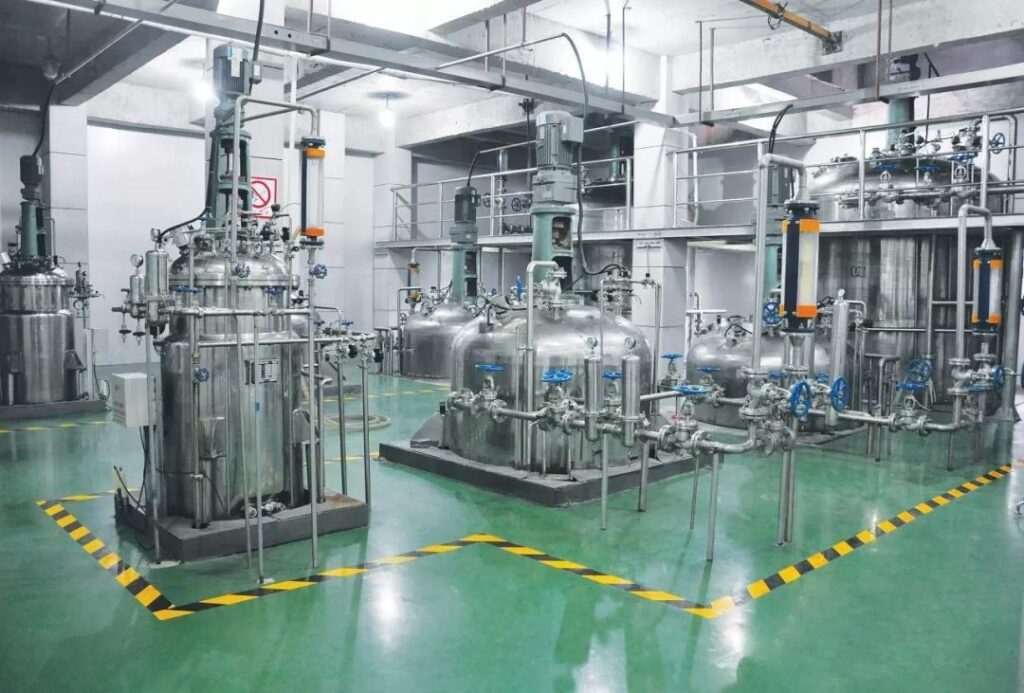
Industrial enzyme production depends on vigorous microbial growth during every fermentation stage. Peptone supplies essential nutrients that support enzyme-producing microorganisms throughout cultivation.
Meanwhile, balanced amino acid profiles encourage efficient cell metabolism. This nutritional support helps manufacturers optimize enzyme productivity while maintaining stable fermentation performance across different production scales.
Enzyme Production Areas
- Protease fermentation
- Amylase production
- Cellulase manufacturing
- Lipase fermentation
- Specialty enzyme development
How to Choose the Right Peptone
Different industries require different peptone specifications. Therefore, manufacturers should evaluate raw materials according to fermentation goals, microbial strains, and production processes.
When selecting a supplier, consider the following factors:
- Protein source
- Total nitrogen content
- Amino nitrogen level
- Solubility
- Batch consistency
- Microbiological quality
- Packaging options
- Technical support
Choosing a trusted supplier helps improve production efficiency while reducing operational risks.