
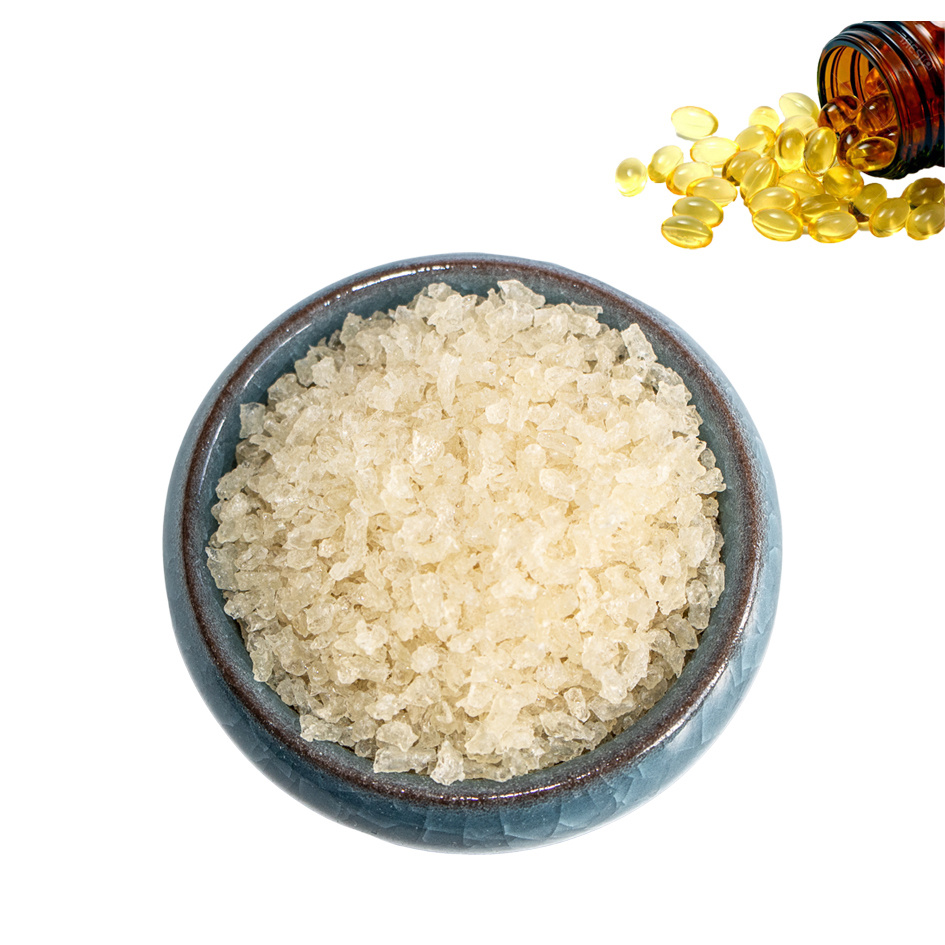
Gelatin Soft Capsule Applications: Pharma & Nutraceutical Guide 2026
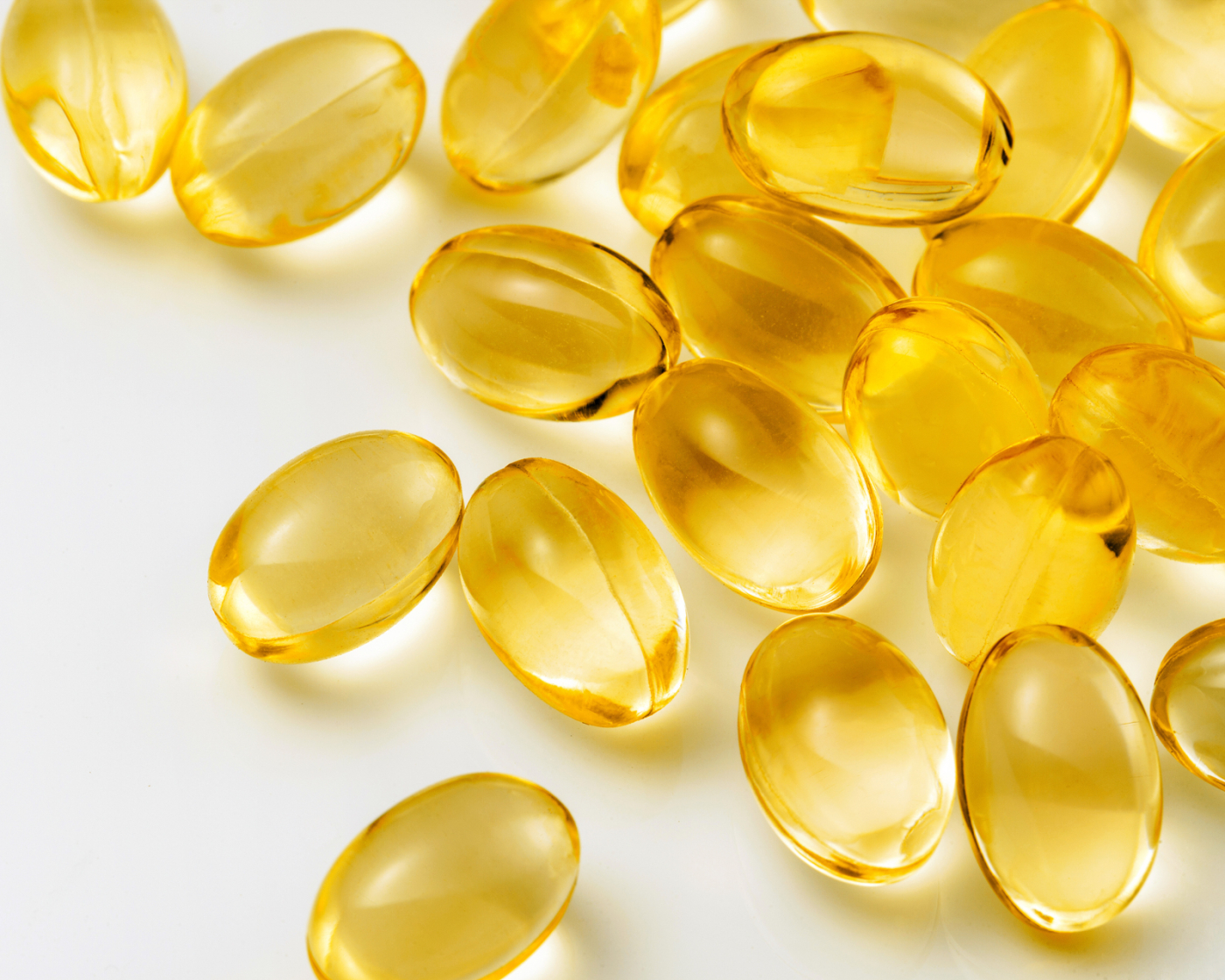
What Are Gelatin Soft Capsules?
Gelatin soft capsules represent one of the most versatile oral dosage forms in modern medicine. These single-unit capsules feature a flexible outer shell made from animal-derived collagen, plasticizers, and purified water. Inside, manufacturers fill them with liquid, semi-solid, or oil-based active ingredients.
Unlike traditional tablets, softgels offer superior protection against oxygen and moisture. This hermetic seal extends product shelf life significantly. Consumers also find them easier to swallow than bulky pills.
Pharmaceutical companies value this format for its precise dosing capabilities. Each capsule delivers exactly the intended amount of medication. Nutraceutical brands equally favor softgels for vitamins and herbal extracts.
Pharmaceutical Applications
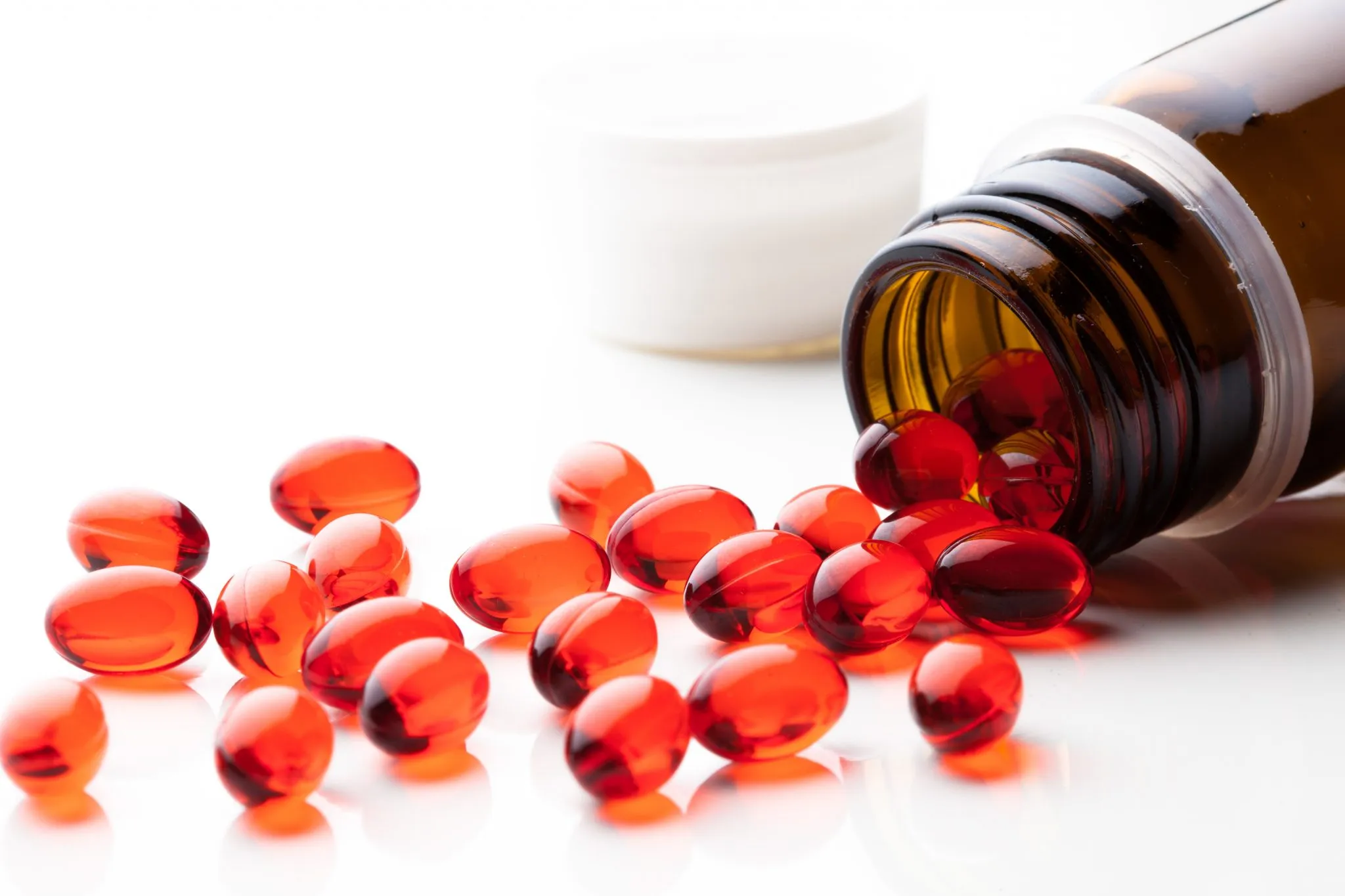
Drug makers increasingly choose soft gelatin capsules for cardiovascular medications. Omega-3 fatty acids, CoQ10, and fat-soluble vitamins all perform better in this format. The lipid-based fill matrix enhances absorption rates dramatically.
Antibiotic formulations also benefit from softgel technology. This encapsulation masks bitter tastes effectively. Patients complete their full treatment courses more consistently as a result.
Beyond antibiotics, anti-inflammatory drugs utilize this delivery system. Ibuprofen and similar compounds reach the bloodstream faster. Doctors appreciate the improved bioavailability for acute pain management.
In dermatology, retinoid therapies like bexarotene now come in softgel form. These capsules protect sensitive compounds from light degradation. Oncology patients receive more stable medication through this innovation.
Nutraceutical & Dietary Supplement Uses
The health supplement industry drives massive demand for gelatin soft capsules. Omega-3 fish oil remains the bestselling softgel product globally. Consumers prefer this format because it eliminates fishy aftertaste.
Multivitamin complexes also thrive in softgel form. Vitamins A, D, E, and K dissolve better alongside lipid carriers. This combination maximizes nutrient uptake in the digestive tract.
Herbal extracts represent another booming category. Curcumin, ginkgo biloba, and green tea polyphenols all encapsulate beautifully. Manufacturers can adjust release profiles for immediate or sustained effects.
Sports nutrition brands favor softgels for CLA and L-carnitine supplements. Athletes need rapid nutrient delivery after training sessions. These capsules meet that demand while remaining portable.
Manufacturing Process Explained
Rotary die encapsulation produces commercial softgels at high speed. First, heated gelatin mixes with glycerin and water to form a molten ribbon. Two continuous ribbons then move toward precision die rollers.
As the ribbons converge, pumps inject the liquid fill between them. The die rollers simultaneously shape and seal each capsule. Cooling drums solidify the gelatin shell within seconds.
After encapsulation, trays carry wet capsules into drying tunnels. Technicians monitor humidity levels carefully throughout this phase. Over-drying creates brittleness, while excess moisture causes shell deformation.
Quality control teams inspect every batch for weight uniformity and seal integrity. Dissolution testing confirms capsules release contents within 5 to 15 minutes. Only products passing all tests proceed to packaging.
Bioavailability & Absorption Advantages
Bioavailability stands as the primary competitive advantage of gelatin soft capsules. The liquid fill eliminates dissolution time entirely. Active ingredients enter the bloodstream within minutes rather than hours.
Fat-soluble compounds show particularly dramatic improvement. When dissolved in oils, vitamins and nutrients bypass solubility limitations. The body absorbs these formulations up to 200% more efficiently.
Gelatin shells themselves aid digestion. This protein breaks down quickly in stomach acid. Consequently, the capsule releases its payload exactly where absorption occurs.
Researchers have documented these benefits across numerous clinical studies. Patients taking softgel ibuprofen report faster pain relief. Those using softgel vitamin D show higher serum levels compared to tablet users.
Market Trends & Growth Outlook 2026
Industry analysts project the global softgel market at $8.37 billion for 2026. This figure should climb to $13.09 billion by 2033. A steady 6.6% compound annual growth rate underpins this expansion.
Gelatin-based varieties dominate with 57.2% market share. Animal-derived collagen provides unmatched film-forming properties. Bovine and porcine sources lead production volumes worldwide.
North America commands the largest regional share at 35.7%. Strong healthcare infrastructure and high supplement consumption drive this dominance. Meanwhile, Asia Pacific emerges as the fastest-growing market.
Recent innovations include StabiCaps technology from Rousselot. This patented gelatin addresses crosslinking issues that slow dissolution. Such advances keep gelatin softgels competitive against plant-based alternatives.
Conclusion
Gelatin soft capsules continue evolving as a cornerstone of drug delivery innovation. Their unmatched bioavailability, consumer-friendly design, and formulation flexibility serve diverse therapeutic needs. Both pharmaceutical and nutraceutical sectors will expand their reliance on this proven technology throughout 2026 and beyond.
Ready to Formulate Your Next Softgel Product?
Partner with our team to develop custom gelatin soft capsules tailored to your API or supplement formulation.
Frequently Asked Questions
What makes gelatin soft capsules different from hard capsules?
Soft gelatin capsules feature a single-piece flexible shell sealed hermetically around liquid or semi-solid fills. Hard capsules consist of two separate pieces that fit together and typically contain powders or granules.
How long do gelatin soft capsules take to dissolve?
Most gelatin soft capsules dissolve within 5 to 15 minutes after ingestion. The exact time depends on stomach pH, gelatin bloom strength, and any enteric coatings applied during manufacturing.
Are gelatin soft capsules suitable for vegetarians?
Standard gelatin soft capsules derive from animal collagen, making them unsuitable for vegetarians. However, plant-based alternatives using HPMC, pullulan, or carrageenan now offer comparable functionality.
What types of ingredients work best in softgel form?
Oil-based compounds, fat-soluble vitamins, herbal extracts, and poorly water-soluble drugs perform exceptionally well in softgels. The lipid fill matrix enhances solubility and absorption for these ingredients.
How should gelatin soft capsules be stored?
Store gelatin soft capsules in cool, dry conditions away from direct sunlight. Ideal temperatures range between 15°C and 25°C. Excessive heat or humidity can soften shells and reduce shelf life.