
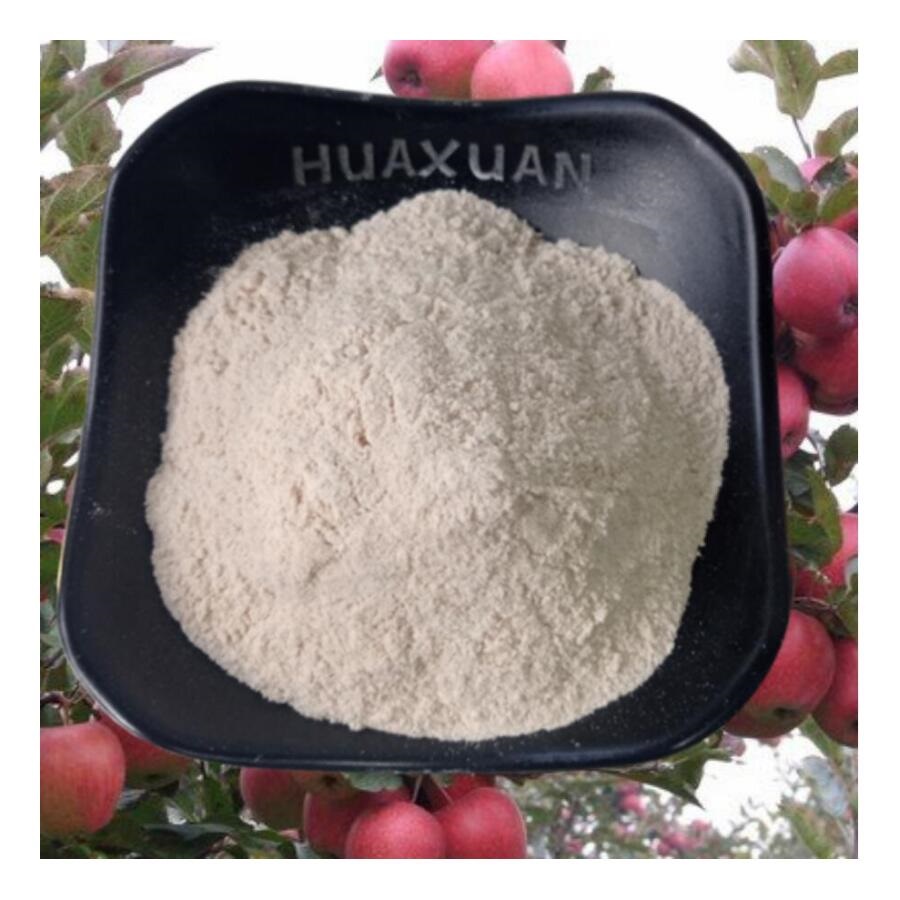
From fruit jams to vegan gummies and fiber supplements — a practical look at apple pectin applications, the science behind each one, and how to choose the right grade.
Apple pectin works quietly behind some of the world’s most loved foods. It sets your morning jam, stabilizes the yogurt in your fridge, and thickens the fruit sauce on your dessert. Beyond the kitchen, it shows up in supplements and pharmaceuticals as a gentle soluble fiber. Understanding apple pectin applications helps formulators replace synthetic gums and gives buyers a clear reason to choose one grade over another.
That versatility explains its steady demand. Pectin carries the food-additive code E440, and producers extract it from apple pomace — the peels, cores, and pulp left after juice pressing. The result is a natural polysaccharide that gels, thickens, stabilizes, and emulsifies, which makes it one of the most functional clean-label ingredients on the market today.
What Is Apple Pectin?
Chemically, pectin is a chain of galacturonic acid units, partially methyl-esterified and naturally present in plant cell walls. Producers extract it by treating apple pomace with hot, mildly acidic water — typically pH 1.0–2.0 at 70–90°C — then precipitate the dissolved pectin with alcohol and dry it into a fine, cream-colored powder. This process preserves the molecule’s gelling backbone while removing sugars and impurities.
Two technical values define any commercial pectin. Degree of esterification (DE) decides how the pectin gels: high-methoxyl pectin (DE above 50%) needs sugar and acid, while low-methoxyl pectin (DE below 50%) reacts with calcium. SAG value measures gel strength under standard conditions, much like Bloom does for gelatin. Together they tell a formulator exactly what a powder will do in a recipe.
Apple Pectin vs. Citrus Pectin
Most commercial pectin comes from citrus peel, so buyers often wonder where apple pectin fits. The two share the same chemical family but behave differently in practice, and that difference drives product selection.
| Property | Apple pectin | Citrus pectin |
|---|---|---|
| Gel character | Softer, more flexible gels | Firm, rapid-setting gels |
| Working pH range | Broad, roughly pH 3–5 | Narrower, pH 2.5–3.5 |
| Best fit | Jams, spreads, fillings, sauces | Gummies, hard confectionery |
| Sensory profile | Neutral, smooth mouthfeel | Neutral to slightly citrus |
| Source | Apple pomace (juice by-product) | Orange/lemon peel |
Neither source wins outright. A premium strawberry spread benefits from apple pectin’s smooth, spreadable gel, while a sour gummy line usually prefers citrus pectin’s fast, firm set. Smart formulators keep both grades in the toolbox and match the pectin to the texture target.
HM vs. LM Pectin: Two Gelling Systems
Beyond the fruit source, the esterification level sets the gelling rules. This distinction matters more than the apple-versus-citrus question, because it decides which ingredients a formula must include.
| Factor | High-methoxyl (HM) | Low-methoxyl (LM) |
|---|---|---|
| Degree of esterification | Above 50% | Below 50% |
| Gelling trigger | High sugar (≥65%) + acid (pH 2.8–3.5) | Calcium ions |
| Set speed | Rapid to extra-rapid | Controlled by calcium level |
| Typical uses | Classic jams, jellies, gummies | Low-sugar spreads, dairy, glazes |
That contrast creates two distinct product worlds. HM pectin enables the traditional high-sugar preserve, while LM pectin answers the modern demand for reduced-sugar recipes that still gel beautifully. When a brand brief asks for “less sugar, same texture,” the LM route usually wins.
Apple Pectin Applications Across 7 Industries
Apple pectin applications span far more than the preserve pot. Each industry uses the same molecule for a different job, from gelling to fat replacement to fiber fortification. Here are the seven sectors, with the dosage ranges formulators actually use.
Jams, Jellies & Fruit Spreads
The classic use and still the biggest one. Pectin thickens fruit mixtures into a clean gel, holds fruit pieces in place, and reduces the sugar needed in a recipe. Dosage typically runs 0.3–0.6%.
Bakery Products
Bread, cakes, and pastries gain better moisture retention and a longer shelf life. In gluten-free baking, pectin binds ingredients together and improves structure, with use levels from 0.05% to 0.8% of flour weight.
Dairy Products
Yogurt turns thicker, ice cream resists ice crystals, and acidified milk drinks stay stable without whey separation. Pectin also acts as a fat replacer, cutting calories while keeping texture.
Beverages
Fruit juices, smoothies, and pulp drinks rely on pectin to stop sedimentation and layer separation. Orange-pulp drinks, in particular, stay evenly suspended and smooth on the palate.
Confectionery
Vegan gummies use pectin as the gelatin-free gelling agent, delivering a tender bite and clean flavor release. Fruit leathers and chewy snacks also build on pectin’s gelling and binding power.
Sauces & Dressings
Ketchup, mayonnaise, salad dressings, and whipped creams use pectin as a thickener and emulsifier. The neutral taste keeps the flavor profile clean, and the texture stays smooth.
Supplements & Pharmaceuticals
Capsules and powders deliver pectin as a soluble-fiber supplement, while pharmaceutical grades thicken liquid medicines and form controlled-release tablet matrices. Throat lozenges have used it for decades as a soothing demulcent.
Health Benefits Behind the Hype
The functional story explains the wellness trend. Apple pectin is a soluble fiber, and soluble fibers bring a documented set of benefits that food brands now highlight on labels.
Studies link pectin intake to lower total and LDL cholesterol, because the gel binds cholesterol in the digestive tract. The same viscosity slows glucose absorption, which helps steady post-meal blood sugar. In the gut, pectin ferments into short-chain fatty acids that feed beneficial bacteria, earning it a prebiotic reputation. Its water-binding bulk also delays gastric emptying, creating longer-lasting satiety that supports weight management.
Label-ready health angles
Cholesterol support — soluble fiber binds cholesterol in the gut.
Blood sugar — gel slows glucose absorption after meals.
Gut health — ferments to short-chain fatty acids, feeding good bacteria.
Satiety — delays stomach emptying and prolongs fullness.
“Pectin is a key stabilizer in many food products: fruit applications, dairy applications, acidified milk and protein drinks, yoghurts, confectionery, beverages, and nutritional products.”
What Buyers Should Check
Pectin grades differ in ways that change the final product, so bulk buyers need more than a price quote. Start with the DE and SAG values on the certificate of analysis — they predict gelling behavior better than any brochure. Then verify purity: food-grade pectin should show at least 65% galacturonic acid, and heavy-metal levels should sit below 1 ppm for major metals.
Source documentation matters too. Ask for the raw material origin (apple pomace from which region), allergen and GMO statements, and religious-compliant certification such as halal or kosher when your market demands it. Shelf life and packaging — typically moisture-proof multi-layer bags with 24–36 months of stability — also affect your warehouse planning.
A supplier with a full hydrocolloid range simplifies sourcing. Xiamen Huaxuan Gelatin produces food-grade gelling agents alongside its gelatin line, so buyers can consolidate orders for pectin, gelatin, and related stabilizers with one export partner backed by 20 years of shipping experience.
Frequently Asked Questions
Is apple pectin the same as citrus pectin?
No, though both are galacturonic-acid polysaccharides. Apple pectin forms softer, more flexible gels across a wider pH range, while citrus pectin sets firmer and faster. Choose based on your texture target.
Can apple pectin replace gelatin?
Yes, in many applications. Pectin provides the gelling function for vegan jams, gummies, and desserts, though its gel is thermostable rather than melt-in-the-mouth. Gelatin remains preferred where a thermo-reversible, chewy bite matters.
What dose works for jam making?
Typical gelling use runs 0.3–0.6% of the fruit preparation for HM pectin. Low-sugar recipes use LM pectin with calcium, and the exact level depends on the target gel strength and fruit acidity.
Does apple pectin have side effects?
Pectin is generally safe at food and supplement doses. Large amounts can cause bloating or loose stools in sensitive people, and pectin may slow medication absorption, so supplements should be taken separately from medicines.
Bottom Line
Apple pectin applications reach every corner of the food industry because one molecule can gel, thicken, stabilize, emulsify, and nourish. From classic jams to plant-based gummies and fiber supplements, the same clean-label ingredient delivers results without synthetic additives.
For formulators and buyers, the practical takeaway stays short: match the DE and SAG to the recipe, verify purity and source documents per batch, and partner with a supplier who can hold specifications steady. That combination turns a simple powder into a dependable production tool.