
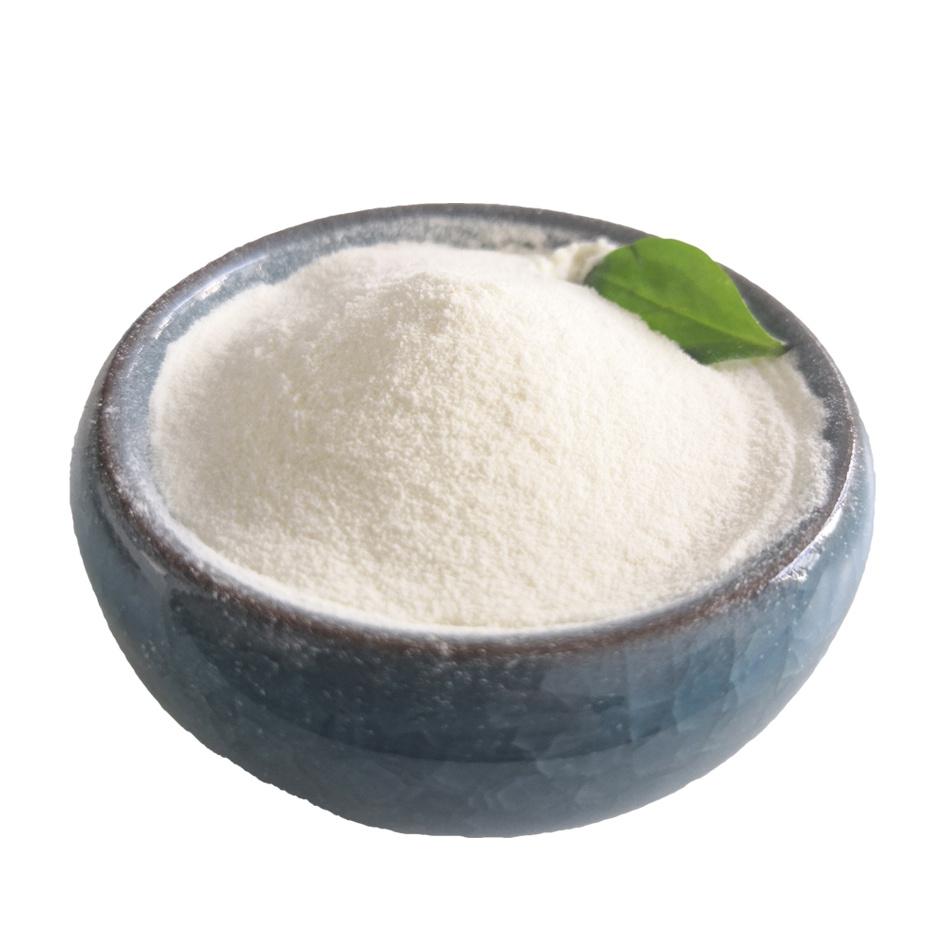
Every collagen supplement claims to improve skin, joints, or nails. Yet the real question rarely gets answered first: does the body absorb collagen peptides at all, and in what form? Human studies published over the past two decades confirm that collagen peptide absorption does happen — but only when the collagen has been hydrolyzed into small fragments first. This guide walks through the mechanism, the research, and the practical choices that follow.
Native collagen is a huge protein built from three twisted chains. The human intestine cannot take in a molecule of that size intact. That is why the form you consume decides everything: whole collagen mostly breaks down into plain amino acids, while hydrolyzed collagen delivers unique peptides that survive digestion. Understanding this difference separates marketing talk from measurable results.
What Are Collagen Peptides?
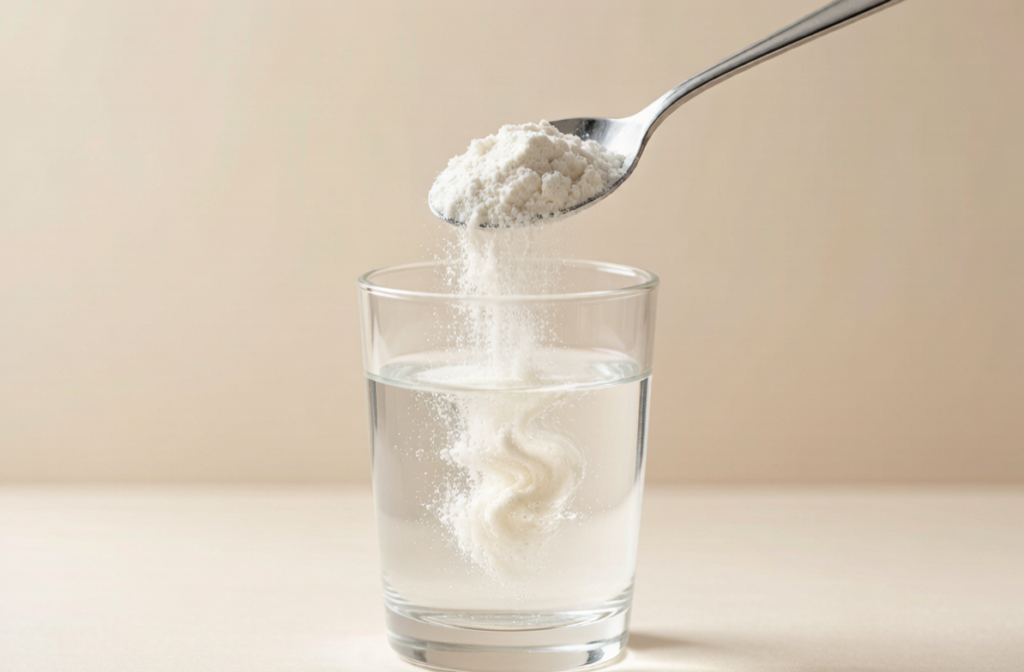
Collagen peptides — also called hydrolyzed collagen or collagen hydrolysate — are short chains of amino acids produced when enzymes cut native collagen into pieces. Manufacturers typically produce fragments of 2 to 50 amino acids, with most products showing a molecular weight between 1,000 and 5,000 daltons (Da). These small fragments dissolve in cold or hot water and stay stable in powder, drink, or capsule formats.
Collagen itself contains an unusual amino acid recipe: roughly one-third glycine, plus high levels of proline and hydroxyproline. Hydroxyproline matters because it appears almost nowhere else in the diet except collagen and gelatin. When researchers find hydroxyproline-containing peptides in blood after a meal, they know the signal comes from collagen — not from other proteins. This marker makes absorption studies unusually precise.
Why Native Collagen Is Hard to Absorb
Think of native collagen as a tightly wound rope. A single molecule measures around 300,000 Da, far above the size the intestinal wall handles efficiently. When you eat unprocessed collagen — from bone broth, pig skin, or gelatin — digestive enzymes attack it in the stomach and small intestine. Most of it breaks down to individual amino acids before reaching the bloodstream.
That outcome is not useless; the amino acids still support general protein needs. Yet it loses what makes collagen special: the small di- and tripeptides that carry biological signals. Gelatin sits between the two extremes. It comes from partially processed collagen, but its molecular weight (typically 10,000–300,000 Da) remains too high for efficient peptide absorption.
| Form | Molecular weight | What happens in the gut | Best use |
|---|---|---|---|
| Native collagen | ~300,000 Da | Slowly broken to free amino acids | Food sources like skin and bone |
| Gelatin | 10,000–300,000 Da | Partial digestion; low peptide absorption | Gelling, desserts, cooking |
| Collagen peptides | 1,000–5,000 Da | Absorbed as intact di- and tripeptides | Supplements, functional foods, beverages |
How Collagen Peptide Absorption Works
Every route follows the same path: mouth to stomach, stomach to small intestine, intestine to blood. The decisive steps happen in the small intestine, where the body runs dedicated machinery for tiny peptides. Here is the journey in five stages.
Stomach: gentle breakdown
Stomach acid and pepsin continue the hydrolysis that began in the factory. Because the peptides are already short, this stage trims edges rather than destroying structure.
Small intestine: brush border enzymes
Enzymes such as aminopeptidase N and dipeptidyl peptidase IV release collagen-specific fragments, including Pro-Hyp (prolyl-hydroxyproline) and Gly-Pro-Hyp (glycyl-prolyl-hydroxyproline).
Crossing the wall: PEPT1
The transporter protein PEPT1 carries di- and tripeptides intact across the intestinal lining. This dedicated channel is the main reason small peptides absorb so well.
Bloodstream: detection within an hour
Hydroxyproline peptides appear in blood within 30–60 minutes of intake. Levels typically peak at 1–2 hours, then decline to half the peak value around 4 hours.
What Science Says About Timing and Levels
Human trials give us a consistent picture. In the landmark 2005 study by Iwai and colleagues, volunteers who consumed hydrolyzed collagen from cartilage, chicken feet, or porcine skin showed hydroxyproline-containing peptides in plasma, with Pro-Hyp present at 25–60 nmol/mL after 9.4–23 g of intake. Peptide levels peaked around two hours after ingestion and dropped to half that peak by four hours.
More recent work strengthens the finding. A 2024 randomized crossover trial by Virgilio and co-authors, published in Frontiers in Nutrition, compared low-molecular-weight hydrolysate with higher-molecular-weight gelatin. The low-MW collagen peptides produced significantly higher blood concentrations — 169.1 nmol/mL free hydroxyproline versus 94.4 nmol/mL for gelatin — confirming that smaller fragments absorb better. A 2025 mechanistic study in Food Research International also found that Gly-Pro-Hyp crosses cell monolayers with the highest permeability among the tested peptides.
What does that mean for results? A 2021 systematic review and meta-analysis by Puigdueta and colleagues, pooling 19 randomized controlled trials with 1,124 participants, linked oral collagen supplementation to significant gains in skin hydration and elasticity. The 2025 meta-analysis in The American Journal of Medicine (23 RCTs, 1,474 participants) reached a similar conclusion. Absorption, it turns out, is measurable — and it happens fast enough to matter.
Key absorption facts
30–60 min: collagen peptides appear in blood after ingestion.
1–2 hours: plasma peptide concentration peaks.
4 hours: levels fall to about half the peak value.
>90%: reported absorption efficiency for low-molecular-weight peptides in digestive studies.
“Glycine and proline together constitute over 50% of the collagen peptide amino acid profile, and their conserved dipeptide sequences — particularly Proline-Hydroxyproline — are the bioactive species responsible for stimulating fibroblast collagen synthesis post-absorption.”
Collagen Peptides vs. Gelatin vs. Whole Collagen
Gelatin and collagen peptides start from the same protein, yet they behave very differently in the body. Gelatin retains gelling power and shines in food manufacturing — candies, jellies, and desserts. Collagen peptides give up gelling in exchange for solubility and absorbability, which makes them the preferred form for supplements and fortified beverages.
Neither form is “wrong.” A bakery buying gelatin for marshmallows has a different goal than a brand launching a collagen drink. Matching the form to the application matters more than debating which one is superior. For absorption-focused products, however, the peptide form has the stronger evidence base.
| Property | Collagen peptides | Gelatin |
|---|---|---|
| Molecular weight | 1,000–5,000 Da | 10,000–300,000 Da |
| Absorption | High; intact di-/tripeptides via PEPT1 | Lower; mostly free amino acids |
| Gelling | None (stays soluble cold) | Strong (sets into gels) |
| Clinical support | Multiple RCTs for skin and joints | Limited for tissue outcomes |
| Typical formats | Powder, sachet, drink, capsule | Leaves, powder, sheets |
How to Maximize Absorption
Absorption depends on more than the product label. Three levers decide how much bioactive peptide reaches your bloodstream: molecular weight, cofactors, and consistency.
Choose low molecular weight. Products with a higher share of material below 3,000 Da deliver more Pro-Hyp and Gly-Pro-Hyp. Reputable suppliers publish molecular weight distribution data; ask for the specification sheet before buying.
Pair with vitamin C. Ascorbic acid is a mandatory cofactor for the enzymes that build new collagen. Even perfectly absorbed peptides produce less benefit in a vitamin C-deficient body. A simple rule: take collagen with a source of vitamin C, whether citrus, kiwi, or a supplement.
Stay consistent. Clinical trials typically run 8–12 weeks at 2.5–10 g per day. Absorption itself happens within hours, but measurable tissue changes need sustained intake. A daily habit beats a heroic one-off dose.
One caveat deserves honesty: coffee polyphenols do not significantly reduce collagen peptide bioavailability when consumed together, according to a 2025 study by Virgilio and colleagues. So a morning coffee ritual needs no special rearrangement.
What Buyers Should Check in a Supplier
B2B buyers evaluating collagen peptides should look past the certificate and examine the specification. Molecular weight distribution, peptide content, solubility, and source transparency determine whether the final product will perform as claimed. Ask for batch-level data, not just a marketing sheet.
Source choice shapes the amino acid profile and application fit. Bovine collagen peptide suits skin and joint products with strong gelling-tolerant profiles; fish collagen peptide appeals to clean-label and marine claims; porcine offers cost-effective volume; and specialized forms such as chicken cartilage collagen peptide and collagen tripeptide (CTP) target joint and premium positioning. Xiamen Huaxuan Gelatin, an ISO-compliant producer with 20 years of export experience, supplies hydrolyzed collagen across these sources with custom packaging options for brands.
Reliable suppliers also document halal, kosher, or other religious-compliant certification where the market demands it. Export experience matters for customs documentation and consistent delivery. A supplier who answers molecular weight questions clearly usually has nothing to hide in quality control.
Frequently Asked Questions
Does stomach acid destroy collagen peptides?
No. Hydrolyzed collagen is already pre-digested into short peptides. Stomach acid and pepsin continue the process, and hydroxyproline-containing peptides resist further breakdown. Studies detect them in blood within an hour of intake.
How long does collagen take to absorb?
Collagen peptides reach the bloodstream within 30–60 minutes, with plasma levels peaking at 1–2 hours after ingestion. Visible skin or joint results usually take 8–12 weeks of daily use.
Is collagen peptide better than gelatin for absorption?
For absorption, yes. Collagen peptides (1,000–5,000 Da) cross the intestinal wall as intact di- and tripeptides through PEPT1 transport, while gelatin breaks down mostly into free amino acids. Gelatin remains the right choice for gelling applications.
What is the best daily dose?
Clinical trials use 2.5–10 g per day for skin outcomes. Starting around 5 g daily with vitamin C covers most goals. Consistency over weeks matters more than a single large dose.
Bottom Line
Collagen peptide absorption is a solved scientific question: hydrolyzed collagen delivers measurable, collagen-specific peptides into human blood within the hour, and consistent daily intake supports skin and joint outcomes in randomized trials. The form you choose decides how much of that science reaches your customers.
For formulators and importers, the practical checklist stays short — verify molecular weight distribution, demand source transparency, pair products with vitamin C guidance, and work with a supplier that documents quality at batch level. That is the difference between a supplement that works on paper and one that works in people.