
In this article
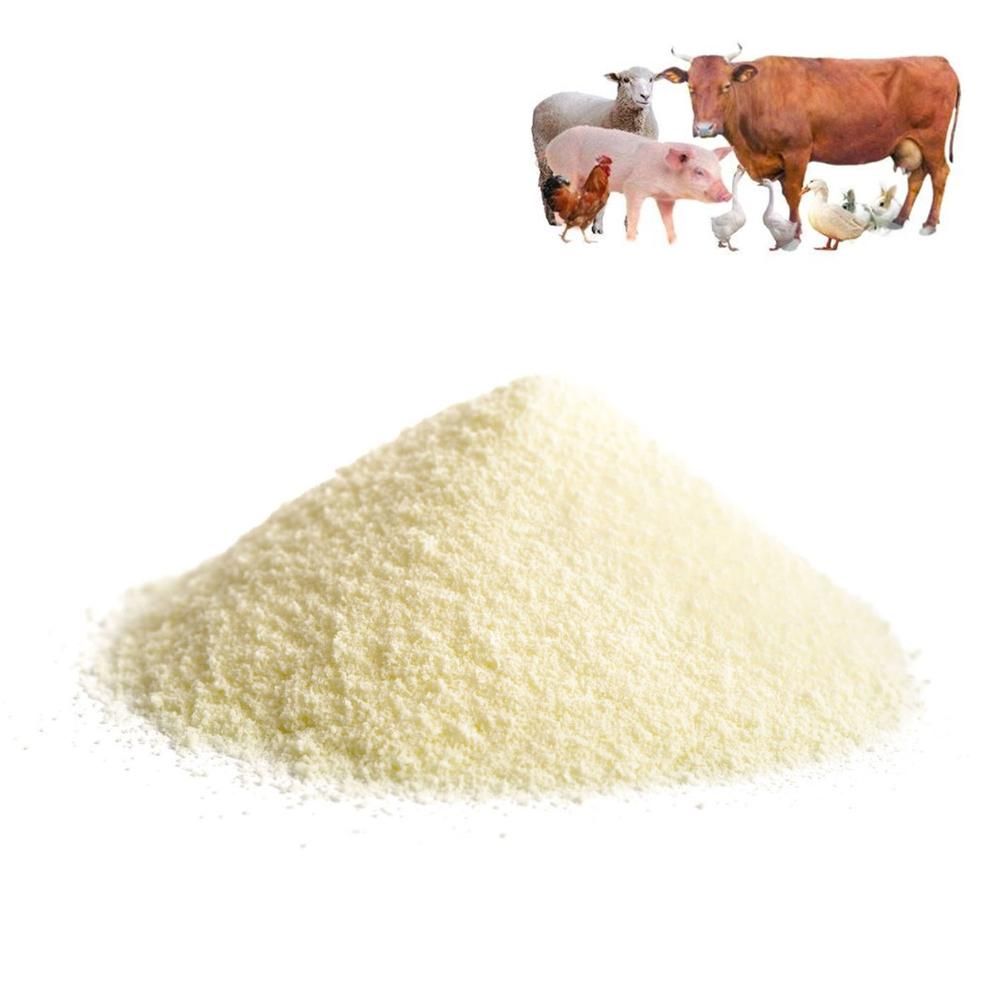
Global feed mills buy protein by the megatonne each year. Soybean meal and fishmeal dominate the market, yet both strain land and oceans. Industrial protein offers a third path. This guide walks through how processors turn by-products, insects, and microbes into feed-grade protein ingredients.
What Industrial Protein Feed Is
Industrial protein means concentrated protein recovered from large-scale processing streams. Feeders use it to replace soybean meal or fishmeal. Three families dominate the category: rendered animal protein, insect meal, and single-cell protein (SCP).
Each source delivers digestible amino acids that livestock need to grow. Animals absorb these ingredients efficiently when processors balance the profile. Quality control matters because feed safety directly affects animal health and human food chains.
This distinction sets industrial protein apart from commodity feed grains. Grains supply energy first, while protein ingredients supply the building blocks. Feed formulators therefore treat protein sources as the strategic part of every diet.
“Single cell protein is a nutrient-rich, low-cost substitute for fish meal and soybean meal. It has a much smaller carbon footprint and is scalable to production.” — David Bressler, University of Alberta lead researcher
Main Protein Sources
The source determines amino-acid profile, cost, and regulatory status. Renderers supply meat and bone meal, feather meal, and blood meal with high crude protein. Fishery processors contribute fishmeal rich in omega-3s but face a finite wild catch.
Plant processors produce soybean, rapeseed, and pea protein concentrates that remain the mainstream choice. Insect farms raise black soldier fly, mealworms, and crickets with strong sustainability stories. Fermenters grow bacteria and yeast into SCP from sugar, methanol, or even CO₂.
| Source | Typical feedstock | Key note |
|---|---|---|
| Rendering | Meat and bone, feather, blood meal | Established; high crude protein |
| Marine | Fishmeal, krill meal | High omega-3; supply constrained |
| Plant | Soybean, rapeseed, pea concentrate | Mainstream; land intensive |
| Insect | Black soldier fly, mealworm | Sustainable; EU-approved species |
| Microbial | Bacteria, yeast, algae | Highest growth potential |
China alone produced 1.08 billion tonnes of protein feed in 2020, and import dependency keeps climbing. Alternative proteins therefore carry strategic weight, not just environmental appeal. The EU has approved several insect species for feed, unlocking new supply chains since 2021.
From Raw Material to Feed
Having chosen a protein family, the next question becomes how to process it. Every route follows a shared skeleton: intake, pre-treatment, conversion, drying, milling, then formulation. The conversion step differs most between sources. Below are the six stages in order.
1 Intake and quality check
Trucks deliver raw material to the plant gate. Technicians sample each lot for moisture, protein, and contaminants. Rejected loads turn around before they enter the line, protecting both product and brand.
2 Pre-treatment and stabilisation
Grinders reduce feathers, bones, or insects to a uniform particle size. Defatting presses remove excess oil that could spoil the product. Steam or acid conditioning stabilises the mass before conversion begins.
3 Conversion into protein meal
Three routes dominate the conversion stage:
RenderingInsect rearingFermentation
- Rendering cooks animal by-products at high temperature. The process separates fat and sterilises the meal, producing meat and bone meal or feather meal.
- Insect rearing breeds larvae on organic waste inside controlled facilities. Farms harvest, clean, and dry the mature insects into a stable powder.
- Fermentation grows bacteria or yeast on sugars, methanol, or CO₂. A 2025 study reached 74% protein in single-cell protein via an anaerobic-aerobic bioprocess.
4 Drying and concentration
Dryers lower moisture to a safe 8–10% range. Spray-drying suits delicate SCP and hydrolysates, while rotary dryers handle bulky meals. Stable powder then moves to the next stage.
5 Milling and grading
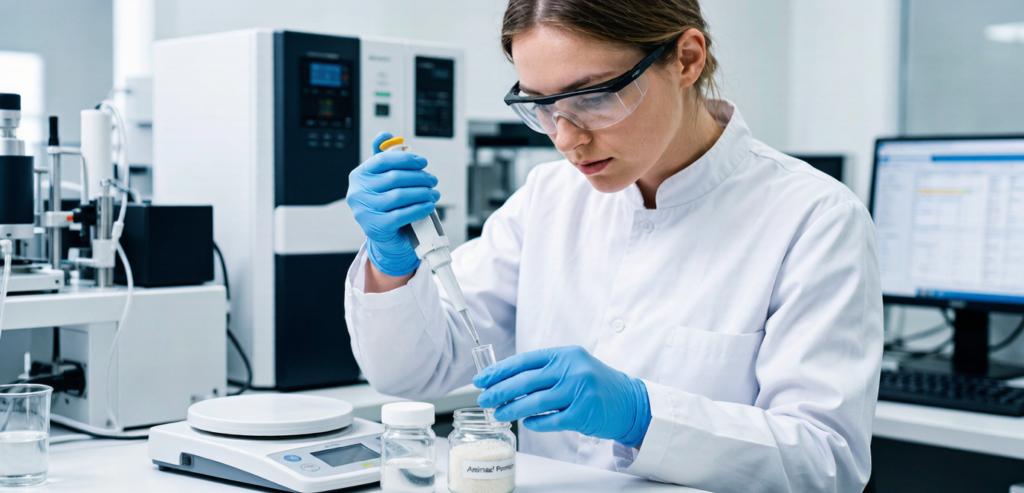
Mills grind the dried protein to a consistent particle size. Screens classify fines, and lab tests verify protein, amino acids, and heavy metals. Only certified batches proceed to formulation.
6 Formulation and pelleting
Feed mills blend the protein with cereals, vitamins, and minerals. Conditioners add steam, and pellet presses form uniform pellets. Heat also reduces pathogens before bags fill and ship.
How Animals Receive It
Poultry diets use insect meal and SCP most aggressively because birds convert protein efficiently. Swine rations adopt fermented and rendered proteins to support growth stages. Aquaculture relies on fishmeal replacement more than any other sector.
Pet food companies add hypoallergenic insect protein to premium lines. Each species gets a tailored inclusion rate based on digestibility trials. Feed mills typically start at low inclusion and scale up after performance data confirms results.
Benefits for Feed Makers
Why do feed mills keep switching to alternative proteins? The reasons stack up quickly. Four stand out in practice.
Reliable protein supply
Alternative proteins reduce exposure to fishmeal price spikes and soybean market shocks. Domestic production of insect and microbial protein shortens supply chains and stabilises costs.
Improved feed conversion
High digestibility means animals extract more value from every kilogram of feed. Studies show insect meal and SCP perform at or above fishmeal levels in balanced formulations.
Lower environmental footprint
Insect farming uses far less land and water than soybean cultivation. Fermentation recycles waste streams and can capture CO₂, supporting corporate sustainability targets.
Cleaner labels
Consumers reward sustainable protein claims, and regulators now recognise approved insect species. Premium positioning becomes easier when the ingredient story holds up.
Challenges to Solve
No protein source comes without trade-offs, of course. Regulatory approvals still lag behind commercial interest in several markets. Cost remains higher than soybean meal for many insect and microbial products. Batch consistency varies when raw materials change between seasons.
Consumer acceptance varies across regions, especially for rendered animal proteins. Heavy-metal accumulation in insects requires careful substrate control. Feed makers therefore demand certificates of analysis and audited supply chains before switching.
What Comes Next
Looking ahead, the momentum shows no sign of slowing. Fermentation technology will push SCP costs down as methanol and CO₂ routes scale. Automation will make insect farming cheaper and more consistent. Expect hybrid formulations that blend insect, microbial, and plant proteins for optimal amino profiles.
EU and North American approvals will widen the approved species list. Feed makers gain resilient protein portfolios that hedge against crop failures and geopolitics. The process is proven, scalable, and still improving year over year.